SYNTROPIC AGRICULTURE
Learning about
“Abundance blossoms where our actions flow in harmony with life”
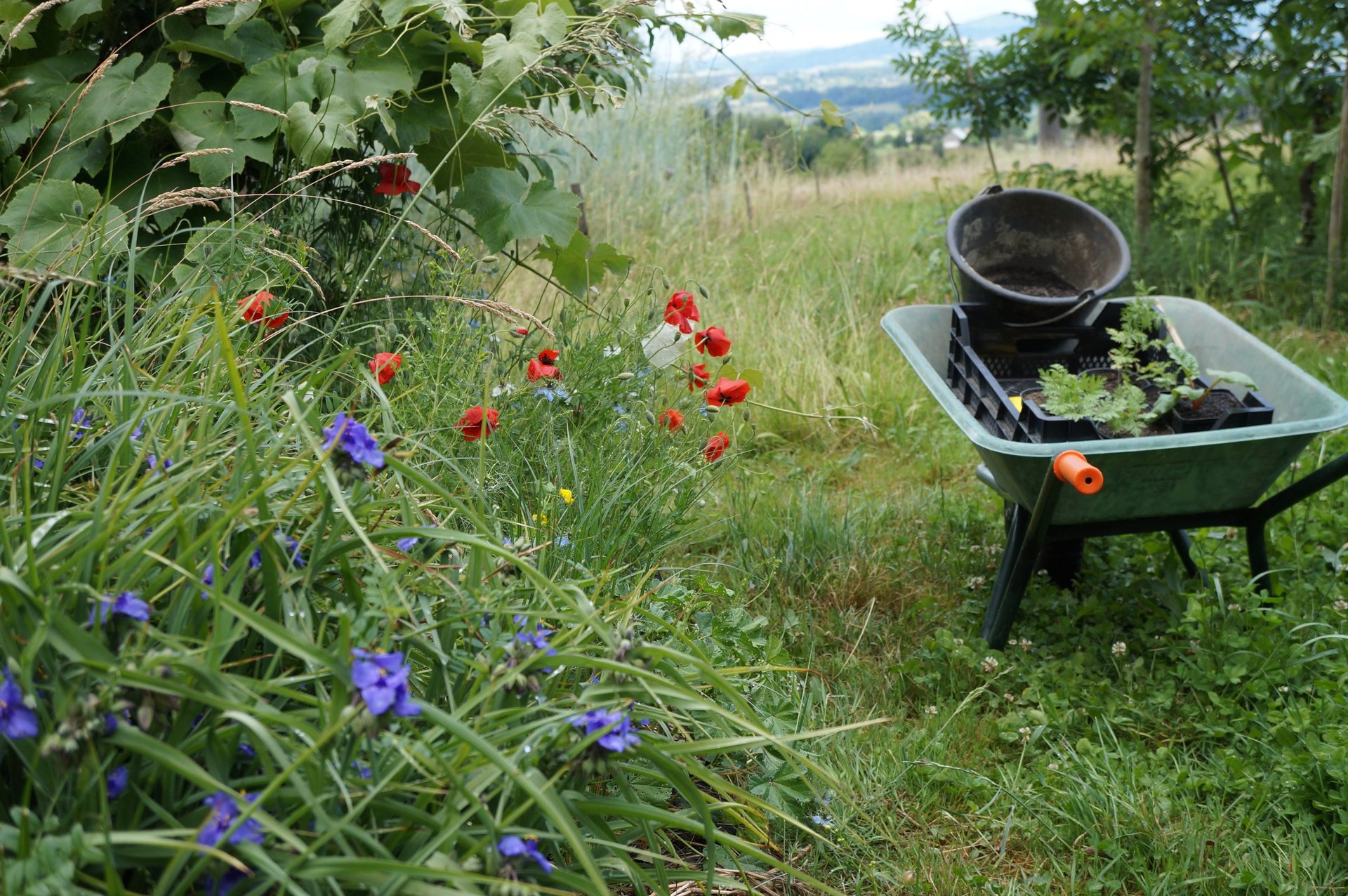
Syntropic agriculture is an agroecological approach to the design and management of productive ecosystems that draws on the principles of natural succession, vertical stratification, and the accumulation of useful energy through biomass production and the enhancement of soil fertility.
Syntropic agriculture provides a transdisciplinary framework for the design and management of agroecosystems, drawing upon principles from ethics, physics, chemistry, philosophy, mathematics, biology, ecology, sociology, technology, and related disciplines.
It seeks to produce food by emulating the organizational processes of natural ecosystems, enabling agricultural systems to develop toward increasing levels of complexity, soil fertility, resilience, and biodiversity over time.
WHAT IS SYNTROPIC AGRICULTURE?
SYNTROPY IN PRACTICE
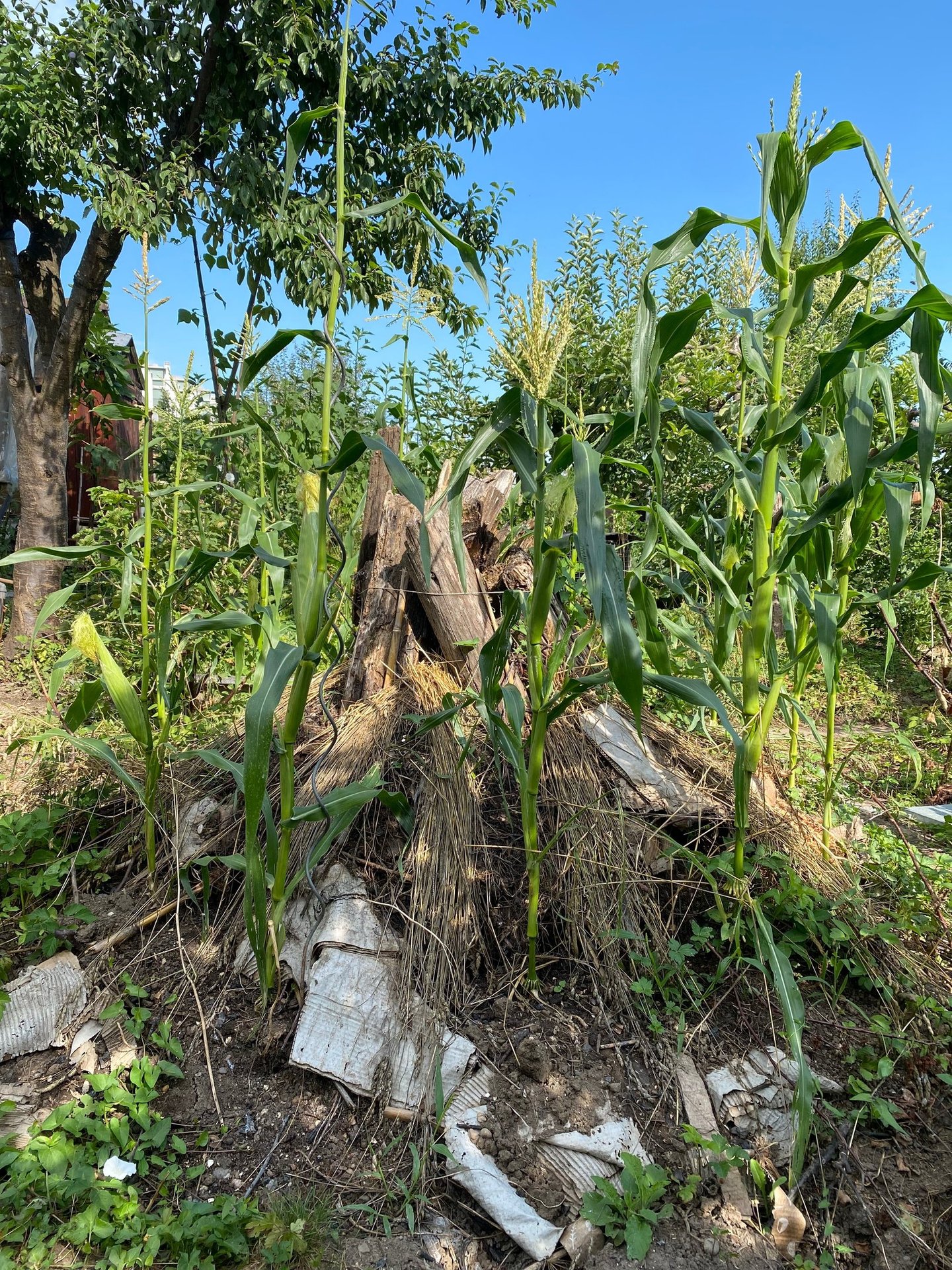
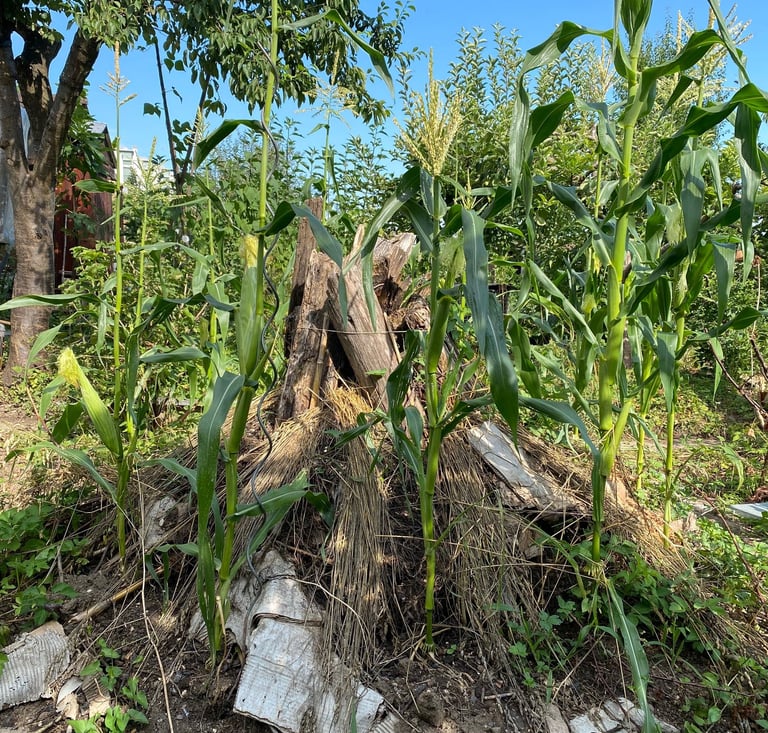
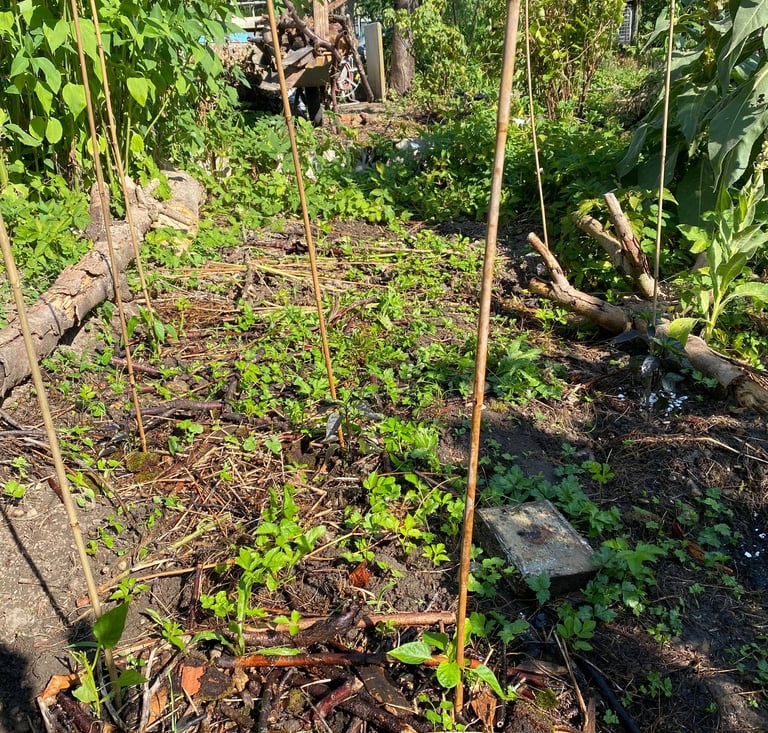
Syntropic agriculture emerged from the broader regenerative agriculture movement and was developed by the Swiss farmer and researcher Ernst Götsch. It is grounded in the observation and application of the ecological rhythms, successional dynamics, and regenerative processes observed in tropical forests, particularly those recovering from erosion and other forms of environmental degradation.
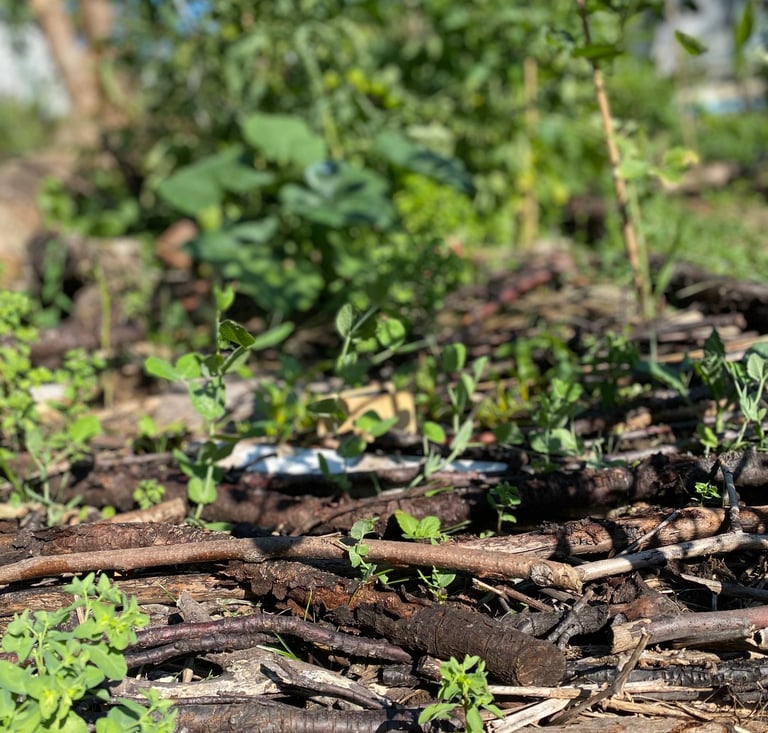
The approach incorporates a diverse set of management practices, more than 200 have been documented, that are designed to enhance natural ecological processes. Through the strategic management of succession, stratification, and biomass accumulation, syntropic systems aim to create abundant, highly productive, resource-efficient, and resilient agroecosystems while restoring soil fertility, biodiversity, and ecosystem functionality.
SYNTROPY AS A SCIENCE
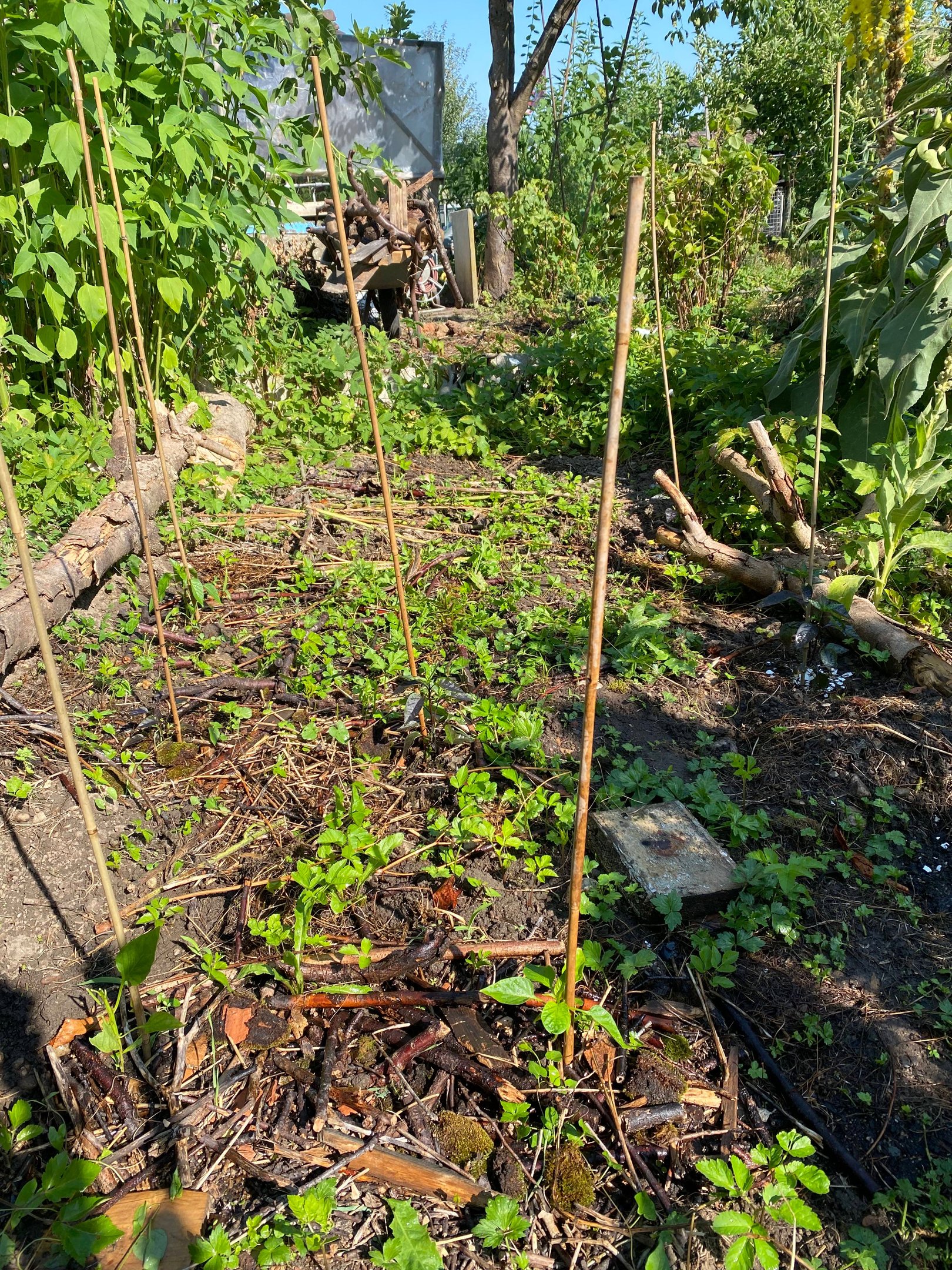
Syntropy may be defined as the emergent capacity of agroecosystems to self-organize toward increasing levels of structural and functional complexity through the accumulation of biomass, biological information, and ecological relationships.
From an agroecological perspective, syntropic processes enhance ecosystem functionality by promoting nutrient cycling, energy retention, biodiversity, soil formation, and successional development, thereby increasing the regenerative potential and long-term sustainability of agricultural landscapes.
SYNTROPY AS A LANDSCAPE
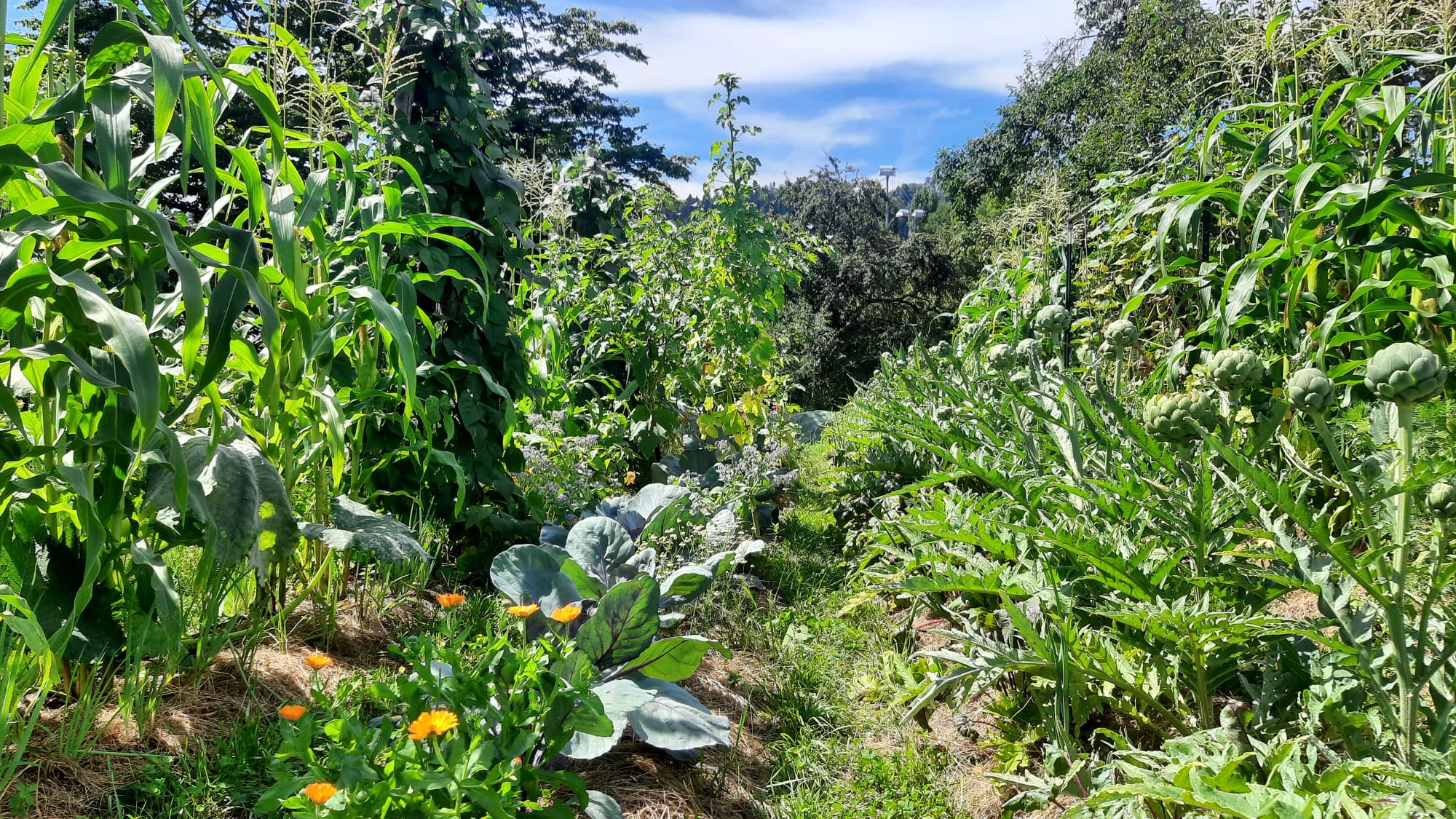
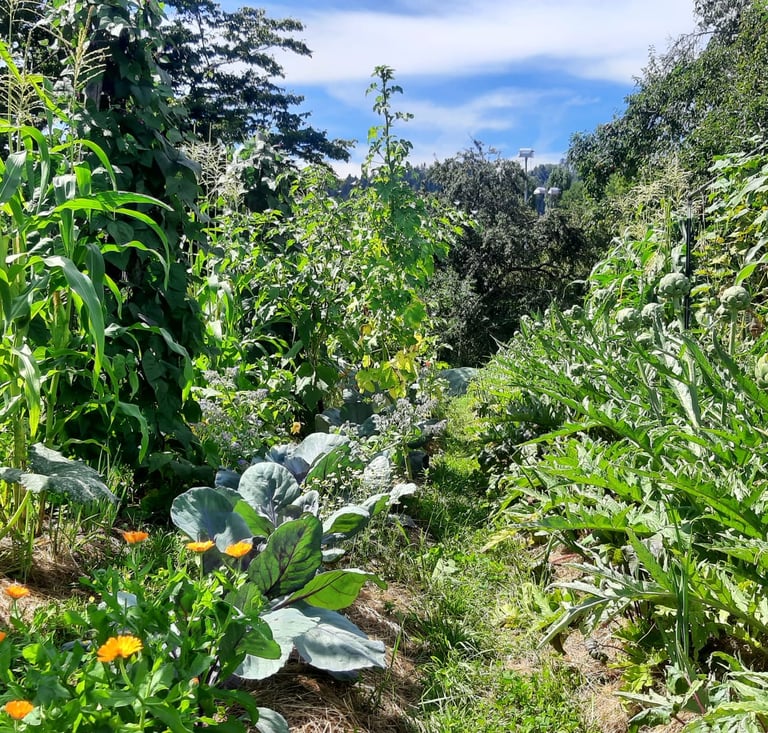
Syntropic agriculture goes beyond food production. It regenerates landscapes by restoring the vitality of the soil, regulating local climates, creating habitats for biodiversity, and strengthening the natural cycles of water and nutrients.
Through the design of living ecosystems, it reconnects agriculture with the dynamics of nature, creating landscapes that are productive, diverse, and resilient.
EASY SYNTROPY FOR EVERYONE
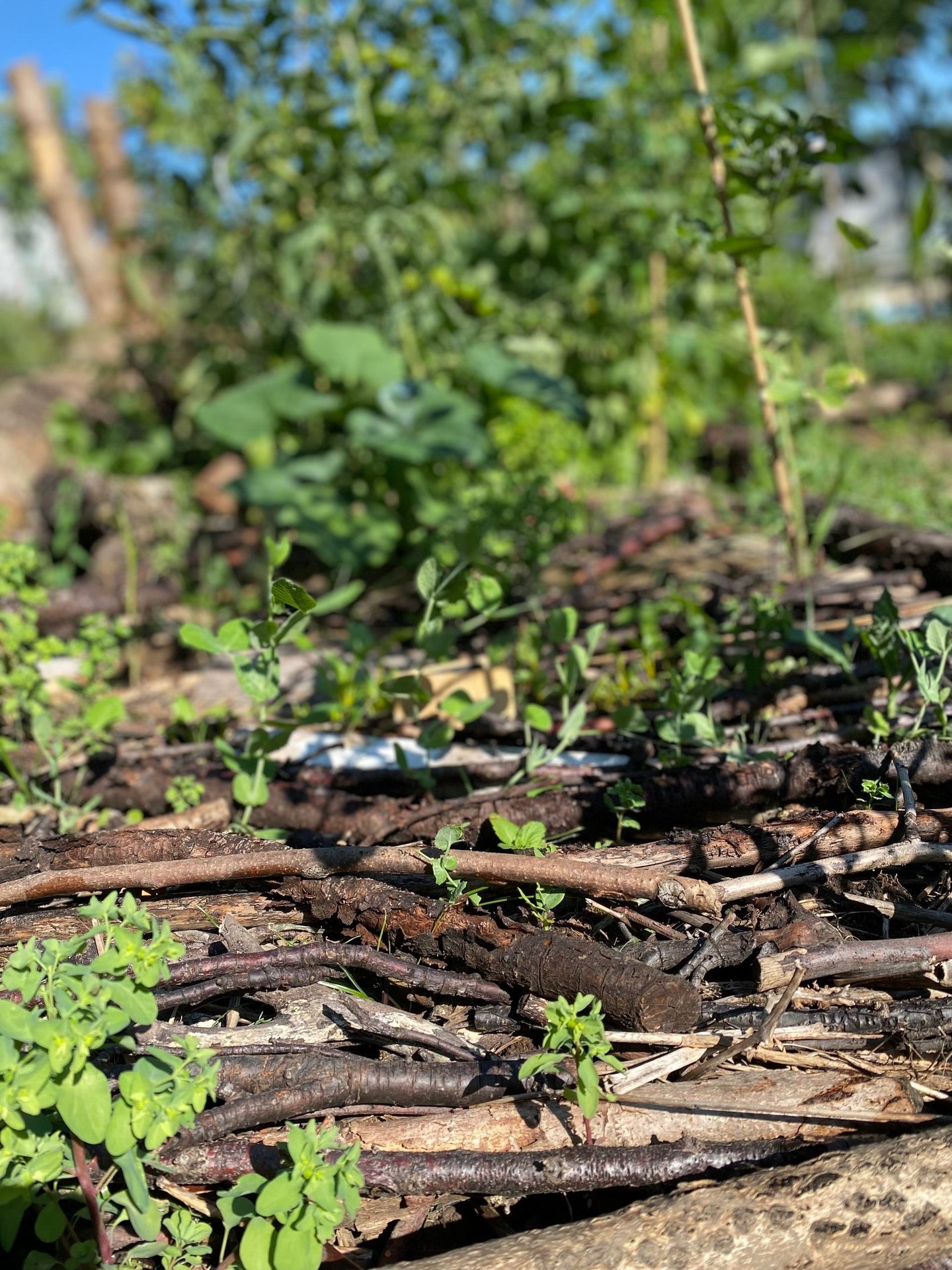
I invite you to discover and apply the principles of natural succession and ecological cooperation in your own fields, farms, or gardens—regardless of your experience level.
By weaving together scientific understanding and practical, hands-on guidance, I seek to empower farmers, gardeners, and communities to design living agroecosystems that are productive, resilient, and deeply aligned with the regenerative intelligence of nature.
CONTACT ME
Over 10 years working at the intersection of agroecology, digital technology and environmental data science, helping turn sustainability commitments into measurable ecological impact in agroecosystems.
TELL ME ABOUT YOU